Full Moon Elixirs
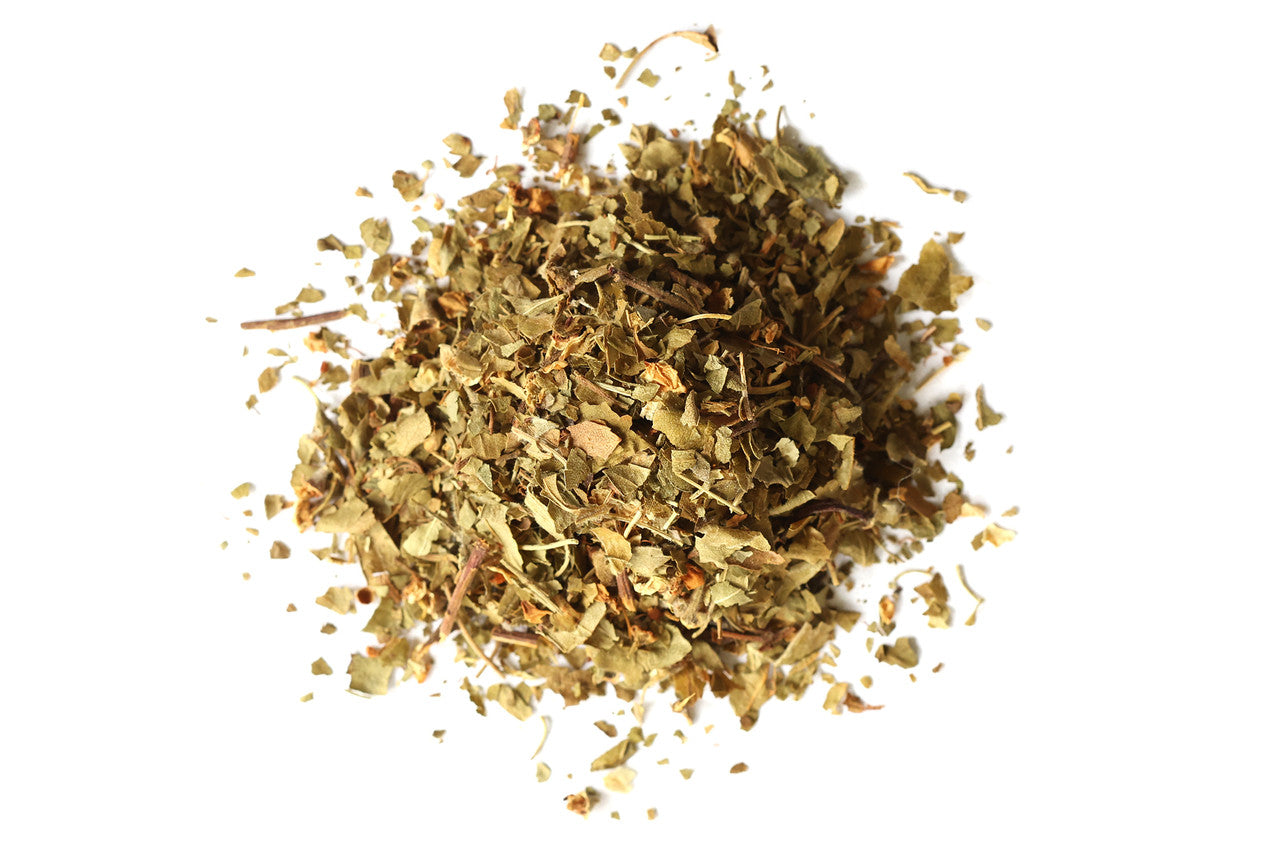
Hawthorn Leaf & Flower Organic
Hawthorn Leaf & Flower Organic
Couldn't load pickup availability
Hawthorn Leaf & Flower (Crataegus monogyna)
Few plants are as deeply woven into the mythology, ceremony, and healing traditions of the Western world as hawthorn. A thorny, generous shrub that bursts into white bloom each May — its flowering long understood as the announcement of summer's arrival — hawthorn has been a sacred, storied, and deeply loved botanical for as long as people have walked among its branches.
To the ancient Druids it was sacred tree medicine, believed to house fairy folk, particularly when growing in the company of oak and ash. It was considered both a blessing and a boundary — sprigs woven into marriage wreaths at Greek weddings to symbolize chastity and ensure prosperity, flowers used to adorn the altars of Hymen, goddess of marriage, and twigs tucked into newborn cradles to ward off harm. In Ireland, couples danced around hawthorn at wedding ceremonies to invite its blessing. Across ancient Europe its blossoms decorated the maypole for Beltane, the festival of fertility and renewal that marked the turn of the season. And yet — curiously — it was considered unlucky to bring the flowers indoors, perhaps, as the old stories suggest, for fear of inviting the fairy folk in along with them.
A large shrub in the Rosaceae family, hawthorn is recognized by its hard gray-barked wood, its distinctively lobed leaves, its clusters of white spring flowers, and the bright red berries that follow in autumn. The name Crataegus comes from the Greek kratos — hardness, referring to the wood — while oxyacantha adds oxus (sharp) and akantha (thorn), painting a precise picture of this plant's character. The common name hawthorn traces back to "haw," an old word for hedge — for centuries hawthorn was the preferred hedgerow plant across Europe, its thorny branches forming living fences that little could pass through uninvited.
Its herbal history is equally deep-rooted. Dioscorides documented its use in the first century. Paracelsus employed it in the 15th and 16th centuries. Throughout the Middle Ages, European herbalists valued every part of the plant — the blossoms as a heart tonic and diuretic, the berries and leaves brewed into an astringent tea to soothe the throat, the berries pressed into wines, brandies, and cordials. In Traditional Chinese Medicine, hawthorn is known as shanzha — energetically slightly warm, associated with the spleen, stomach, and liver meridians, and carrying both sweet and sour tastes. In China the berries remain so beloved that they are made into popular hawthorn candies not unlike the fruit roll-ups of the West.
Many herbalists consider hawthorn a superior heart tonic — and they mean this in more than one sense. Its support of healthy cardiovascular function is well established, but herbalist Matthew Becker speaks to its deeper gift as well, suggesting hawthorn is especially helpful for those with broken hearts — for people "feeling wounded and hurt." It is a plant that seems to tend to the physical and the emotional heart with equal care, and the flowers and leaves are often prepared as floral essences for precisely this purpose.
Our hawthorn leaf and flower can be steeped as a tea, added to cordials, or tinctured, and carry many of the same beloved properties as the berries. They are a beautiful addition to any heart-centered herbal blend.
Precautions: No known precautions. As with all herbal products, we recommend consulting a qualified healthcare practitioner before use, particularly if you are pregnant, nursing, or taking any medications.
Share